
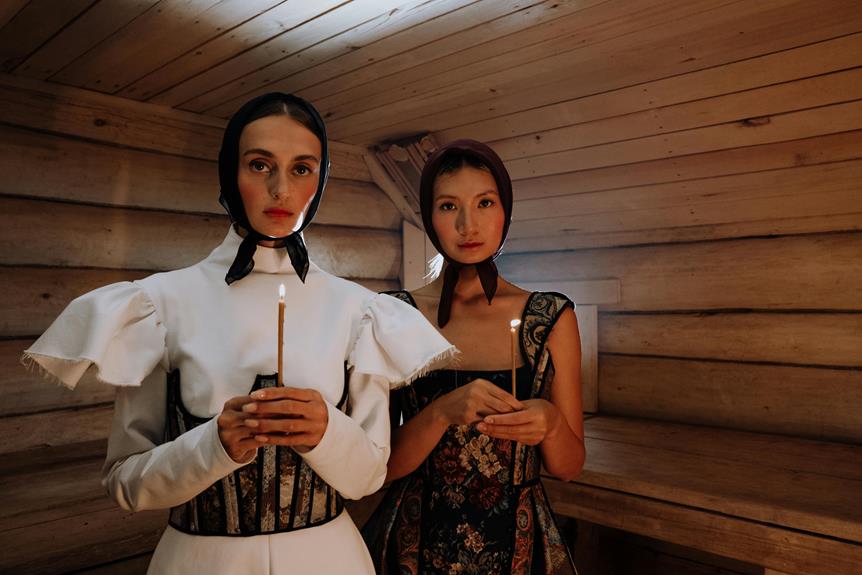
You're drawn to the warm, soft glow of beeswax candles, and now you're curious about the rich history behind this ancient craft. Beeswax candles have been illuminating lives for thousands of years, with ancient civilizations discovering their use by observing bees building honeycombs. In ancient Egypt, Greece, and Rome, beeswax candles symbolized light, life, and hope, playing a significant role in ceremonies and spiritual practices. The craft evolved through the Middle Ages, Renaissance, and Industrial Revolution, with artisans continually refining techniques. Today, you can choose from a range of unique, sustainable, and eco-luxurious candles. As you explore further, you'll uncover the fascinating stories and evolutions that have shaped the art of beeswax candle-making.
Key Takeaways
- Beeswax candles originated from ancient civilizations observing bees building honeycombs, valuing its purity and unique properties for sacred rituals.
- In ancient Egypt and Greece/Rome, beeswax candles symbolized light, life, and hope, playing a significant role in ceremonies, spiritual practices, and daily life.
- The Middle Ages saw a shift to tallow candles due to the high cost of beeswax, but a Renaissance revival led to a renewed appreciation for luxury beeswax candles.
- Industrialization enabled mass production, making beeswax candles more accessible and affordable, but an artisanal candlemaking revival in the 20th century prioritized craftsmanship and sustainability.
- Modern candlemaking continues to innovate, focusing on eco-luxury, unique fragrances, and sculptural designs while preserving traditional techniques and prioritizing sustainability.
Ancient Origins of Beeswax Candles
How did the ancient civilizations first stumble upon the art of creating candles from beeswax? You might be surprised to learn that it was likely through observing nature. Bees build their honeycombs using natural wax produced from their own bodies, and ancient societies noticed this remarkable process. They soon discovered that by melting and shaping this wax, they could create a sustainable source of light.
As you explore further into the history of beeswax candles, you'll find that ancient rituals played a significant role in their development. In many ancient cultures, candles were used in ceremonies and spiritual practices, symbolizing light, life, and hope. The natural wax from bees was highly valued for its purity and unique properties, making it an ideal material for these sacred rituals.
It's fascinating to think about how our ancestors experimented with beeswax, testing its melting points and working temperatures to craft functional yet beautiful candles. Through trial and error, they refined their techniques, passing down their knowledge through generations. Today, we continue to appreciate the ancient origins of beeswax candles, marveling at the ingenuity and craftsmanship of our predecessors.
Beeswax in Ancient Egyptian Culture
In ancient Egypt, you'd frequently find beeswax candles illuminating temples, tombs, and homes, as they played a significant role in the daily lives of Egyptians.
Beeswax candles were a staple in Egyptian culture, not only for their practical use but also for their symbolic significance. They represented light, life, and the divine, which were central to Egyptian symbolism.
You'd often find candles burning in temples, symbolizing the connection between the earthly and spiritual domains.
Beeswax candles were also used as sacred offerings to the gods. Egyptians believed that the smoke from the candles carried their prayers and offerings to the heavens.
The sweet, pleasant aroma of beeswax was thought to please the gods, earning the Egyptians favor and protection.
In tombs, candles were placed alongside the deceased to provide light for their journey to the afterlife.
The use of beeswax candles in ancient Egyptian culture demonstrates their reverence for the natural world and their desire to connect with the divine.
As you explore the history of beeswax candles, you'll find that their significance extends far beyond their functional use, revealing a deeper understanding of ancient Egyptian values and beliefs.
Greek and Roman Candlemaking Traditions
You'll discover that the ancient Greeks and Romans, masters of craftsmanship, refined candlemaking techniques, crafting candles that illuminated their grand public spaces and intimate gatherings alike.
They perfected the art of dipping and pouring beeswax into intricate molds, creating ornate candles that adorned their temples, palaces, and homes.
In Greece, beeswax candles played a significant role in Olympian rituals, where they symbolized the connection between mortals and gods.
The soft, warm glow of these candles created an ambiance of reverence and spirituality, setting the tone for sacred ceremonies.
The Romans, known for their grandeur, used beeswax candles as Imperial decorations, showcasing their power and wealth.
They crafted elaborate candelabras, often featuring mythological creatures and gods, which stood tall in their temples, basilicas, and public squares.
As the Roman Empire expanded, their love for beeswax candles spread throughout Europe, influencing the development of candlemaking techniques in subsequent centuries.
The legacy of Greek and Roman candlemaking traditions continues to inspire artisans today, who aim to recreate the beauty and elegance of these ancient masterpieces.
Middle Ages and the Rise of Tallow
As the Roman Empire declined, Europe plunged into the Middle Ages, and the widespread use of beeswax candles gave way to a new, more affordable alternative: tallow candles.
The main reason was the high cost of beeswax, making it inaccessible to the general population. Tallow, on the other hand, was readily available and cheaper to produce.
Tallow candles became the norm in medieval Europe, illuminating castles, monasteries, and homes. In fact, monastery practices often involved candle-making using tallow, as it was a more economically viable option. Castle lighting also relied heavily on tallow candles, providing a warm glow to grand halls and chambers.
Three key reasons why tallow candles dominated the Middle Ages:
- Affordability: Tallow was remarkably cheaper than beeswax, making it a more accessible option for the masses.
- Availability: Tallow was readily available, as it was a byproduct of animal fat rendering.
- Practicality: Tallow candles were easier to produce on a large scale, making them a more practical choice for widespread use.
As you explore the history of candles, you'll notice that this shift from beeswax to tallow had a substantial impact on the industry.
Renaissance and the Revival of Beeswax
During the Renaissance, a renewed appreciation for luxury and refinement sparked a resurgence in the popularity of beeswax candles, which began to reclaim their status as a symbol of wealth and sophistication.
You'll notice that, as a result, beeswax candles became a staple in the homes of the elite, particularly in Italy and France.
This revival was largely driven by the Medieval Revival movement, which sought to emulate the grandeur and opulence of the Middle Ages.
As artisans perfected their craft, the quality of beeswax candles improved dramatically, making them even more desirable.
The Artisan Renaissance, with its emphasis on craftsmanship and attention to detail, further fueled the demand for high-quality beeswax candles.
You'll see that, during this period, beeswax candles weren't only a symbol of status but also a badge of honor to the skill of the artisans who created them.
As you explore the history of beeswax candles, you'll appreciate the intricate designs, vibrant colors, and exceptional craftsmanship that defined this era.
Industrialization and Mass Production
You're now entering the era of industrialization, where the production of beeswax candles takes a dramatic turn.
The advent of industrialization in the 18th and 19th centuries revolutionized the production of beeswax candles, making them more accessible and affordable for the masses. With mechanized manufacturing, the labor-intensive process of candle-making became faster and more efficient.
Factory automation allowed machines to take over tasks such as dipping, shaping, and trimming, reducing the need for manual labor.
Mass production enabled factories to produce candles on a large scale, meeting the growing demand for lighting.
Standardization led to candles becoming more uniform in quality and size, ensuring consistency for consumers.
As a result, beeswax candles became a staple in many households, no longer a luxury item reserved for the wealthy. You can imagine the excitement of having a reliable source of light, made possible by the innovations of industrialization.
The Industrial Revolution paved the way for the widespread adoption of beeswax candles, transforming the way people lived and worked.
Artisanal Candlemaking in the 20th Century
In the wake of industrialization's mass-produced candles, a renewed interest in traditional craftsmanship sparked a revival of artisanal candlemaking in the 20th century.
You witness a resurgence of skilled artisans dedicating themselves to the ancient craft, driven by a desire to reclaim the lost art of high-quality, unique, and sustainable candle production.
This Mid Century Revival of artisanal candlemaking saw a rise in Studio Craftsmanship, where artisans worked in small, independent studios, pouring their hearts into creating one-of-a-kind masterpieces.
They experimented with natural wax blends, essential oils, and innovative techniques to produce distinctive, handcrafted candles that told a story.
As you explore this era, you'll discover artisans who pushed the boundaries of traditional candlemaking, incorporating new materials and styles while maintaining the essence of the craft.
This revival not only preserved the art of candlemaking but also paved the way for future generations of artisans to build upon.
Beeswax Candles in Modern Times
As you step into the world of modern candlemaking, you're surrounded by a new wave of artisans who are redefining the art of beeswax candles. These innovative creators are pushing the boundaries of traditional techniques, experimenting with modern trends and contemporary designs. You'll notice a focus on unique color palettes, unusual fragrances, and eclectic vessel styles that set these candles apart from their predecessors.
Some notable modern twists on traditional beeswax candles include:
Sculptural forms: Artisans are creating intricate, three-dimensional designs that double as decorative pieces when not lit.
Natural collaborations: Candlemakers are partnering with perfumers, botanists, and other experts to craft bespoke fragrances that evoke specific emotions and environments.
Eco-luxury focus: Many modern candlemakers prioritize sustainability, using eco-friendly materials, minimal packaging, and energy-efficient production methods to reduce their carbon footprint.
As you explore the world of modern beeswax candles, you'll discover a vibrant community of creatives who are reimagining this ancient art form for the 21st century.
Sustainable Practices in Candlemaking
When crafting beeswax candles, modern candlemakers prioritize eco-friendly practices to minimize their environmental impact, from sourcing raw materials to shipping finished products.
You're likely to find them opting for eco-friendly materials, like sustainably sourced beeswax, organic dyes, and recyclable packaging. By doing so, they reduce their carbon footprint and promote a healthier environment.
As you explore the world of beeswax candlemaking, you'll notice that many artisans are committed to reducing waste and conserving resources.
They're adopting energy-efficient practices, like using LED lighting and low-wattage equipment, to minimize their energy consumption. Some even repurpose materials, like old candle molds or containers, to reduce waste and create unique products.
When shopping for beeswax candles, look for makers who prioritize sustainability.
Check if they use eco-friendly materials, have a recycling program in place, or partner with environmentally responsible suppliers. By supporting these artisans, you're contributing to a more sustainable future.
As you enjoy the warm glow of your beeswax candle, remember that you're not only illuminating your space but also promoting a healthier planet.
Preserving Traditional Techniques Today
You'll find many modern beekeepers and candlemakers dedicated to preserving traditional techniques that have been passed down through generations. They believe that preserving these techniques is essential to maintaining the authenticity and quality of beeswax candles.
This dedication is part of a larger Craftsmanship Revival movement, which seeks to promote Heritage Preservation in various industries.
In the candlemaking industry, this movement is particularly important. By preserving traditional techniques, candlemakers can maintain that their products continue to embody the same quality and character that have made beeswax candles so beloved for centuries.
Many candlemakers still use the traditional hand-dipping method, where the wick is dipped into a pool of melted wax to create the candle.
Producing candles in small batches allows candlemakers to maintain quality control and confirm that each candle meets their high standards.
Using natural ingredients, like 100% pure beeswax, is essential to preserving the traditional character of beeswax candles.
Frequently Asked Questions
Can Beeswax Candles Be Made With Other Types of Wax?
You can experiment with beeswax candles by blending them with other types of wax, creating wax blends or hybrid materials that offer unique benefits, but be prepared for varying results regarding appearance, burn time, and scent throw.
Are Beeswax Candles More Expensive Than Soy Wax Candles?
"Can you put a price on ambiance? You're likely to pay more for beeswax candles, but it's due to high market demand and quality, not just the wax itself – they're a premium product, after all, with a cost comparison that shows."
Can Beeswax Candles Be Used Outdoors in the Rain?
You can use beeswax candles outdoors, but be cautious in the rain. While they have decent water resistance, their weather durability is limited; prolonged exposure can cause them to soften or disintegrate.
Do Beeswax Candles Have a Stronger Scent Than Paraffin Wax?
As you light the wick, imagine a warm hug on a chilly night – that's the cozy essence of beeswax candles. You'll find their natural, honey-like scent is stronger and sweeter than paraffin wax, filling the air with a wax aroma that's simply irresistible.
Can Beeswax Candles Be Reused or Repurposed After Burning?
You can breathe new life into your beeswax candle by reusing the wax remnants. Simply melt them down and pour into a new mold for a melted reuse, extending the life of your candle.
Conclusion
As you gaze upon the warm, golden flame of a beeswax candle, you're witnessing a centuries-old tradition that's been passed down like a precious heirloom.
From ancient Egypt to modern times, beeswax candles have illuminated the path, symbolizing hope and warmth.
Like a rich tapestry, the history of beeswax candles is woven with threads of innovation, tradition, and artistry.
As you bask in its gentle glow, remember that you're part of a timeless story that's still being written.