
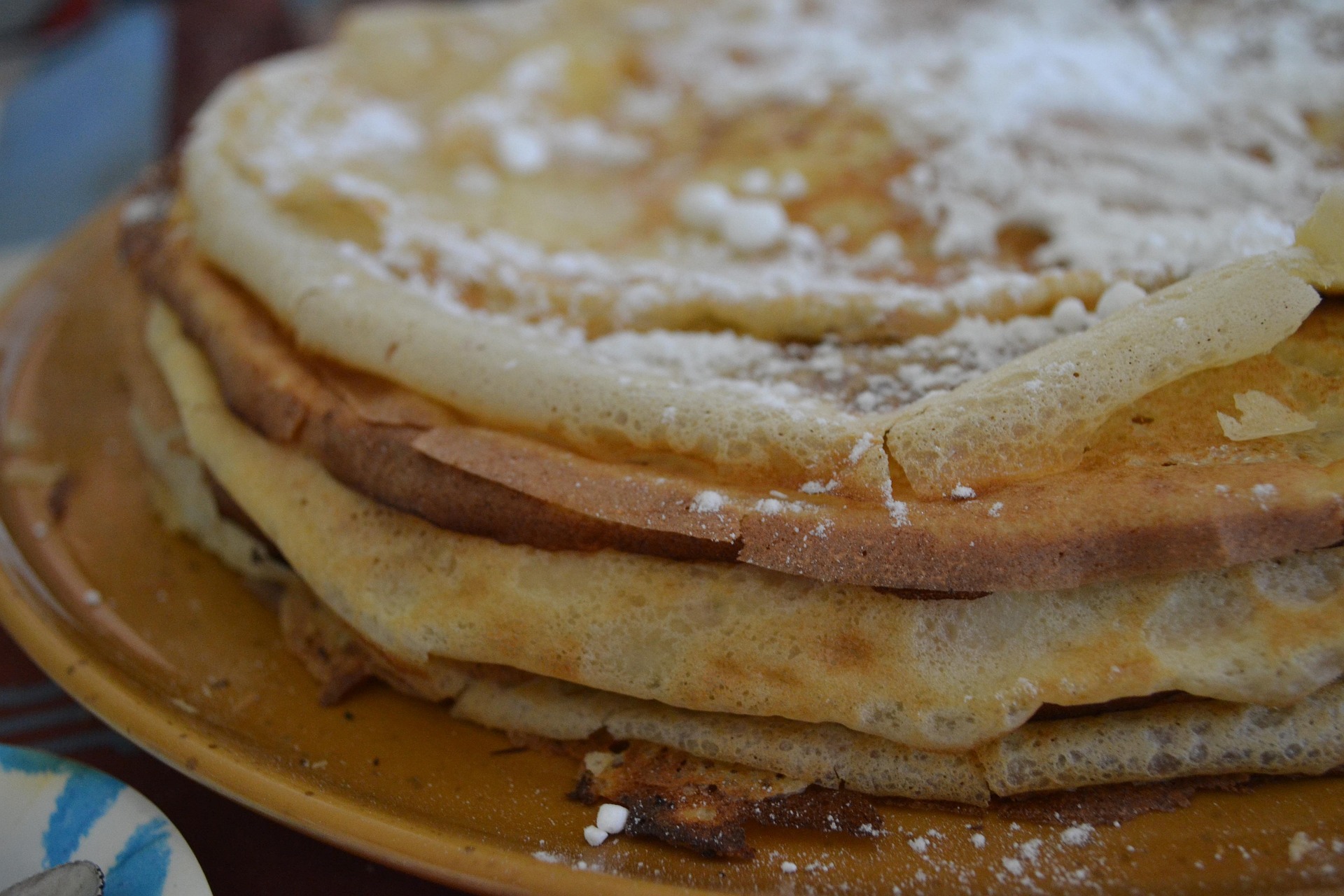
Besides candles, pancakes or crepes are a part of Candlemas in several cultures. Image by ziclol from Pixabay
As you learn about Candlemas, you’ll discover a unique holiday that blends ancient pagan traditions with Christian symbolism. Celebrated on February 2nd, it marks the midpoint between the winter solstice and spring equinox. You can celebrate by hosting a candlelight service, holding a candle-blessing ceremony, or sharing a feast of lights with loved ones. Decorate with candles in glass holders or vintage metal lanterns to create a cozy ambiance. As you explore Candlemas further, you’ll uncover more about its rich history, folklore, and symbolism, and how it can bring light and hope into the darkest of winters.
Key Takeaways
- Candlemas is a Christian holiday with pagan roots, marking the midpoint between the winter solstice and spring equinox.
- The holiday is celebrated with candlelight services, feasts, and blessings, symbolizing Jesus as the light of the world.
- Candles are blessed to drive away winter darkness, and the presentation of Christ commemorates Mary’s obedience to Jewish law.
- Modern celebrations can include candle-blessing ceremonies, feasts of lights, and reflecting on the significance of Candlemas and its message of hope.
- Candlemas can help combat winter darkness and Seasonal Depression by bringing warmth and comfort into one’s life.
Origins and History of Candlemas

Candlemas, a Christian holiday celebrated on February 2, has its roots in ancient pagan festivals honoring the midpoint between the winter solstice and spring equinox.
These pagan roots date back to the ancient Roman festival of Lupercalia, which marked the midpoint between the winter solstice and the spring equinox. The festival involved purification rituals, fertility ceremonies, and the lighting of candles to symbolize the return of light and warmth.
As Christianity spread throughout Europe, the early Christian church sought to adapt these pagan traditions to fit their own beliefs.
They Christianized the festival by renaming it Candlemas, and associating it with the Presentation of Jesus at the Temple, where Simeon held Jesus and recognized him as the light of the world.
The Christian adaptation of Candlemas retained the pagan tradition of lighting candles, but reinterpreted it as a symbol of Jesus as the light of the world.
Despite its evolution, Candlemas still retains hints of its pagan past, making it a fascinating holiday with a rich history.
Traditions and Symbolism Behind
As you explore the world of Candlemas, you’ll discover that two central traditions associated with this holiday are the blessing of candles and the presentation of Christ, which are steeped in rich symbolism.
The candle significance lies in its representation of Jesus, the light of the world, and the purification of the Virgin Mary. The candles are blessed to symbolize the illumination of Christ’s presence, driving away the darkness of winter. This ritual also marks the midpoint between the winter solstice and the spring equinox, signifying seasonal renewal.
As you celebrate, you’re embracing the hope and renewal that comes with the lengthening of days.
The presentation of Christ, also known as the Purification of Mary, commemorates Mary’s obedience to the Jewish law, presenting Jesus at the Temple in Jerusalem. This tradition emphasizes the importance of faith, obedience, and purification.
Celebrating Candlemas in Modern Times
Today, Candlemas is celebrated in various ways, from simple candlelight services to festive gatherings, all aimed at rekindling the spirituality and joy of this ancient Christian festival.
As you prepare to celebrate, you can incorporate modern decor into your festivities. Consider using candles in m glass holders, apothecary jars, or vintage metal lanterns to add a touch of elegance to your space. You can also create a cozy atmosphere by draping white linens, lace, or burlap over tables and chairs.
When it comes to contemporary rituals, you can create your own meaningful traditions. You might hold a candle-blessing ceremony, where you light candles and say prayers or blessings for the coming year.
Alternatively, you could hold a feast of lights, where you share a meal with friends and family, surrounded by candles and soft music.
Whatever way you choose to celebrate, remember to take a moment to reflect on the significance of Candlemas and its message of hope and renewal.
Candlemas Folklore and Legends
Beyond its Christian roots, Candlemas has accumulated a rich tapestry of folklore and legends, which continue to captivate and intrigue people to this day.
As you explore the stories surrounding this celebration, you’ll discover a fascinating world of witchcraft tales and folk heroes.
In medieval Europe, February 2nd was believed to be a time when witches would gather to perform their dark magic. You might hear whispers of witches flying on broomsticks, casting spells, and conjuring spirits on this night.
These tales have been passed down through generations, adding to the mystique of Candlemas.
On a more heroic note, you’ll find stories of folk heroes like Groundhog Day’s Punxsutawney Phil, who predicts the arrival of spring.
In some cultures, you’ll encounter tales of heroic animals, like the badger or the bear, which are said to emerge from hibernation on this day, signaling the end of winter.
As you uncover these legends, you’ll find that they add a layer of depth and wonder to this ancient celebration.
Bringing Light Into Winter Darkness

Candles, a symbol of hope and renewal, pierce through the darkness of winter, illuminating the path towards longer days and warmer nights.
As you kindle the flame, you’re not just lighting a candle – you’re bringing warmth and comfort into your life.
During the coldest and darkest months, it’s easy to feel overwhelmed by Seasonal Depression. The lack of sunlight and freezing temperatures can make it difficult to get out of bed, let alone feel motivated.
But by embracing Candlemas, you’re taking a step towards reclaiming your winter experience. You’re creating a sense of Winter Hygge, a cozy and inviting atmosphere that wraps you in comfort and tranquility.
As you place candles throughout your home, you’re casting a warm glow over the darkest corners of your mind. You’re reminding yourself that even in the bleakest of winters, there’s always hope and renewal on the horizon.
Frequently Asked Questions
Can I Make My Own Candles for the Celebrations?
You can definitely make your own candles! Start by selecting the perfect wax for your creations, then get creative with customization – add colors, fragrances, or unique molds to make them truly special.
Are There Specific Foods Traditionally Eaten on Candlemas?
You might think traditional Candlemas foods are too fancy, but don’t worry, you can easily whip up some delicious French crepes or sweet pancakes, which are typically devoured on this special day, filling your home with warmth and joy.
Can this Holiday Be Celebrated by People of Any Faith?
You can celebrate Candlemas regardless of your faith, as it holds spiritual significance across traditions. Embracing interfaith dialogue, you’ll find common ground in this festive holiday, fostering connections and shared experiences with people from diverse backgrounds.
What Time of Day Should the Candles Be Lit?
You should light your candles at sunset, allowing the soft glow to merge with the moonlight, symbolizing the return of light and life.
Is Candlemas Related to the Groundhog Day Celebration?
You might wonder if Candlemas is connected to Groundhog Day. Actually, both have Ancient Traditions rooted in Folklore Origins, where weather predictions were made on specific dates to gauge spring’s arrival, although they’ve evolved separately over time.
Conclusion
As you blow out the last candle, the flickering flames of Candlemas fade into memory.
But the warmth of its spirit remains, a beacon in the winter darkness.
Like a gentle snowflake, the celebration settles in your heart, reminding you to hold onto hope and light until spring’s arrival.
As the season’s chill begins to thaw, may the soft glow of candles guide you through the remaining winter nights, illuminating your path with promise and renewal.